
Discover the Distinct Sounds of Steel Drum vs. Handpan
- Apr 8, 2025
- 6 min read
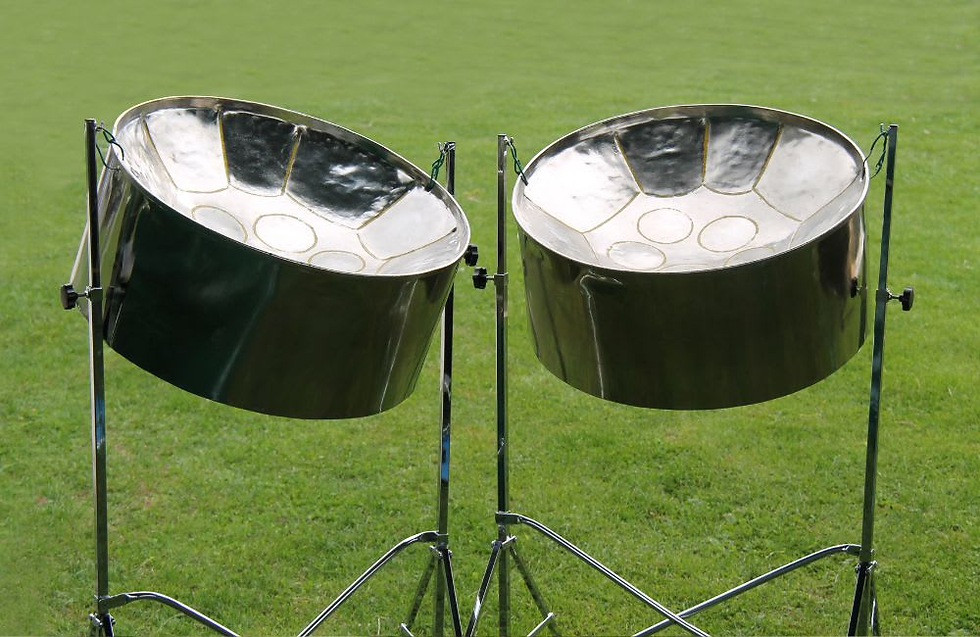
Music stirs emotion and curiosity. Two instruments, each with its own heritage and sound, offer distinct experiences. One instrument's origins lie in a lively Caribbean culture, while the other emerged from careful modern craftsmanship. Their tones differ in spirit: one with rhythmic celebrations and the other with gentle, reflective sounds.
History, tuning, playing techniques, construction, and musical uses help clarify their differences. A look into their backgrounds and characteristics reveals how each instrument delivers unique auditory moments. Combining tradition with modern methods, these instruments provide opportunities for creative performance and memorable sound experiences in varied settings and invite exploration.
Historical Background and Cultural Roots
Origins and cultural significance outline distinct journeys. Each instrument represents different traditions and societal influences. Their beginnings reflect local innovation and crafted heritage. These histories offer insight into sound production methods and social influences that shaped musical language in unique ways.
1. Steel Drum Origins
Originating in Trinidad and Tobago, steel drums arose from repurposed materials. Crafted by community members, the instrument came into being through resourcefulness and celebration. Its rhythms encapsulate local traditions and social unity. The process involved careful tuning with handcrafted methods, producing sounds that mirror festive street celebrations and cultural pride, reflecting the creative spirit of the Caribbean heritage with passion.
2. Handpan Origins
Handpans emerged from modern efforts in Switzerland. Created using refined metal techniques, they were developed by innovative artisans focused on musical expression. Constructed with dedicated craftsmanship, handpans incorporate careful tuning processes. Their sound reflects a measured approach to instrument design, resulting in mellow, soothing tones that offer a contrast to louder percussion instruments and introduce a modern twist to traditional influences.
3. Shared Impact
Both instruments have influenced community celebrations and musical traditions. They serve as symbols of cultural creativity and craftsmanship. Through performances and local events, their sounds contribute to a shared heritage that spans generations. Each instrument reflects a journey of evolution, showcasing how social efforts shape music, leaving a lasting mark on festive customs and public celebrations everywhere with lasting impact.
Sound Characteristics and Tuning
Sound qualities reveal marked differences between instruments. Their distinct tonal properties highlight varied tuning approaches. Analyzing pitch, resonance, and overtones clarifies contrasts in musical output. Specific tuning methods directly affect performance, yielding clear sonic identities for each instrument with distinction.
1. Steel Drum Sound
Steel drums produce bright, rhythmic notes associated with energetic celebrations. Their tone carries a lively beat and pronounced resonance. Methods of handcrafting contribute to their sharp musical intervals. Performance relies on well-tuned pitches achieved through manual adjustments. This instrument delivers sound that pairs robust energy with clear, festive notes found in public music events, emphasizing accurate rhythmic expression during live shows.
2. Handpan Sound
Handpans offer soft and smooth tones that exude calm and clarity. Their sound unfolds gradually, providing gentle sustain with subtle overtones. This instrument's tuning emphasizes delicate balance, resulting in clear, mellow soundscapes. Performance with this instrument creates a serene musical moment, merging simplicity with thoughtful tonal execution that presents a clear difference compared to more percussive sounds in gentle concerts.
3. Tuning Comparison
Tuning methods differ by technique and practice. Steel drums undergo manual adjustments using specialized hammers, while handpans are set with careful frequency calibration methods. Each instrument exhibits a distinct tuning approach, affecting pitch stability and note clarity. Musicians invest time refining sound quality, achieving balanced musical output appropriate for performance settings and live events where tonal accuracy remains highly regarded.
Playing Techniques and Versatility
Performance methods illustrate distinct approaches to playing. Each instrument requires tailored techniques. Rhythms and touch differ in execution, producing varied musical expressions. Hands-on methods allow for expressive beat patterns and tone variations, reflecting differences in design and cultural practices clearly.
1. Steel Drum Techniques
Steel drums require striking methods and mallet use. Players create clear rhythms by hitting the instrument with precise timing. Movements are energetic, turning beats into festive music. Techniques involve alternating strikes and using varied mallet pressures to shape sound. The result is a series of rhythmic sequences that contribute to lively street performances and public celebrations across many musical events.
2. Handpan Techniques
Handpan playing centers on gentle taps and smooth motions. Fingertip contact creates lingering notes and subtle fluctuations in tone. This approach favors soft articulations and thoughtful sequences that produce a calming musical atmosphere. Variation in striking techniques allows careful manipulation of sound sustain and decibel levels, resulting in a measured performance that distinctly differs from more forceful percussive styles remarkably.
3. Performance Versatility
Both instruments appear in various musical settings and events. Their playing techniques adapt to different performance demands. Versatile methods allow shifting from intimate solo presentations to group performances at festivals. Musicians utilize the instruments’ unique characteristics to produce contrasting beats and melodic sequences. Such versatility creates opportunities for varied rhythmic combinations that fit any musical performance format without constraint remarkably.
Design, Materials, and Construction
Physical construction and material selection reveal differences in design. Each instrument employs specific production methods and varying raw elements. Their unique manufacturing processes result in distinct looks and sound quality. Considerations include durability, craftsmanship, and acoustic output in performance settings.
1. Steel Drum Construction
Steel drums are constructed from repurposed metals shaped into tuned instruments. Traditional manufacturing methods involve hand-forging and manual tuning, resulting in a solid physical structure. Their design reflects community craftsmanship and practical reuse of materials. The construction process emphasizes build quality, with careful adjustments resulting in clear, resonant sounds that mirror the spirit of their cultural origins in public celebrations.
2. Handpan Crafting
Handpans are produced using specialized steel and modern shaping techniques. Artisans create these instruments with a focus on balanced acoustics and smooth finishes. The process involves precision work in forming the instrument's shell and tuning hidden notes. Handpan crafting reflects a modern take on metal work, combining traditional metal treatment with innovative polishing methods to achieve a clear, sustained tone.
3. Comparing Construction Methods
Construction methods show different approaches in manufacturing. Steel drums rely on manual, time-honored techniques that reflect local traditions. Handpans use modern equipment and refined procedures for shaping metal. Both methods result in durable instruments with distinct physical features. Construction choices impact sound projection and longevity, forming part of each instrument’s identity in musical performance and local celebrations with lasting appeal.
Musical Applications and Emotional Impact
Musical roles and performance settings differ notably. One instrument serves upbeat event ceremonies, while the other suits quieter settings. Their usage in concerts, local festivities, and public functions emphasizes differences in emotional tone and performance impact, resulting in distinct contributions in live music.
1. Steel Drum Applications
Steel drums are prominent in festive celebrations, parades, and public ceremonies. They add rhythmic bursts that align with upbeat cultural events. Their sound is best suited for outdoor gatherings, where clear beats and robust musical patterns enhance performance. The instrument's lively character is evident in community parades and public events, making it a favorite for mass performances and celebratory occasions.
2. Handpan Applications
Handpans are suited for intimate settings such as small gatherings and personal performances. Their gentle tones fit background scores in quiet events, while also finding roles in modern studio recordings. The instrument's soft resonance adds calm beauty to musical presentations, making it ideal for reflective gatherings, relaxed performances, and meditative sessions that require subtle musical expression, complementing serene stage shows.
3. Combined Musical Roles
When used together, the instruments create a contrast in tone and pace. Their joint performance in structured concerts and impromptu shows produces interesting musical interactions. Steel drums bring energetic beats while handpans offer soft, sustained melodies. This pairing results in a clear presentation of musical contrasts that highlight distinct roles in celebratory and formal musical displays, improving overall performance quality.
Resounding Final Chord
Examining the differences in these percussion instruments reveals distinct musical characteristics rooted in rich cultural heritages. Steel drums, derived from repurposed materials in a Caribbean setting, deliver robust rhythms and pronounced tunes that enliven public events and community celebrations.
Handpans, forged through modern craftsmanship, offer gentle, lingering sounds that suit smaller, more intimate performances. Both instruments bring their own unique traits to musical settings, contributing a mix of lively and serene elements without detracting from each other. Their construction, tuning methods, and performance techniques yield special sonic outputs that appeal to diverse audiences.
Kakesa appreciates the artistry and tradition behind each instrument, recognizing their value in musical performances. Interested parties are encouraged to discover more about the creative practitioners behind these instruments by visiting the dedicated crew page.
For additional information or to discuss musical projects, reach out at (510) 222-1123. Each instrument’s performance highlights a distinct side of musical expression, offering opportunities for engaging live events and memorable sound experiences that honor both history and innovation.


Comments